Research library · In planning for reefs across the Philippines
Reef Tribe
Preserve, restore, regenerate, and create coral reef systems — a research-first library for the Philippines.
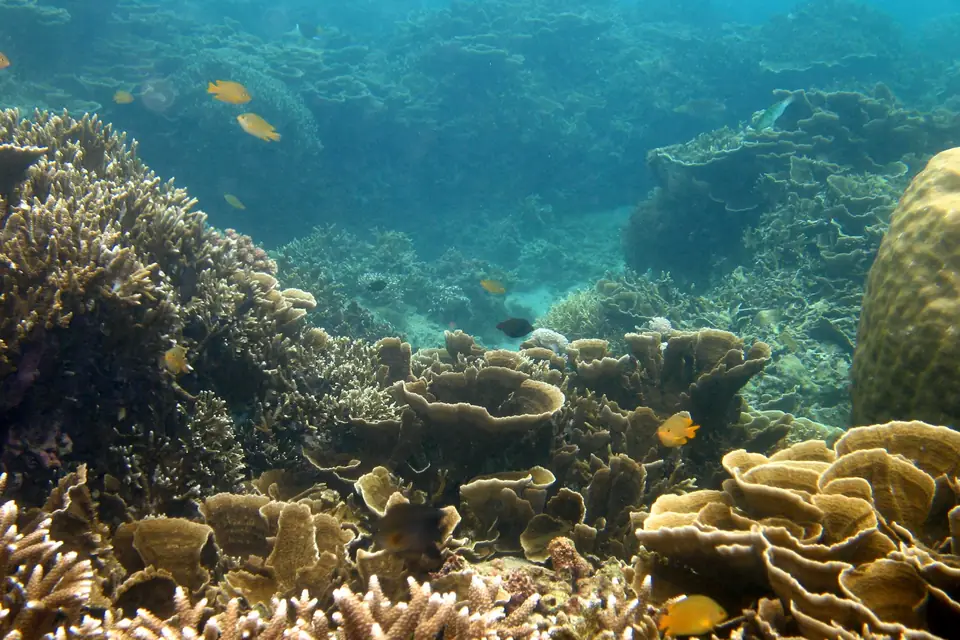
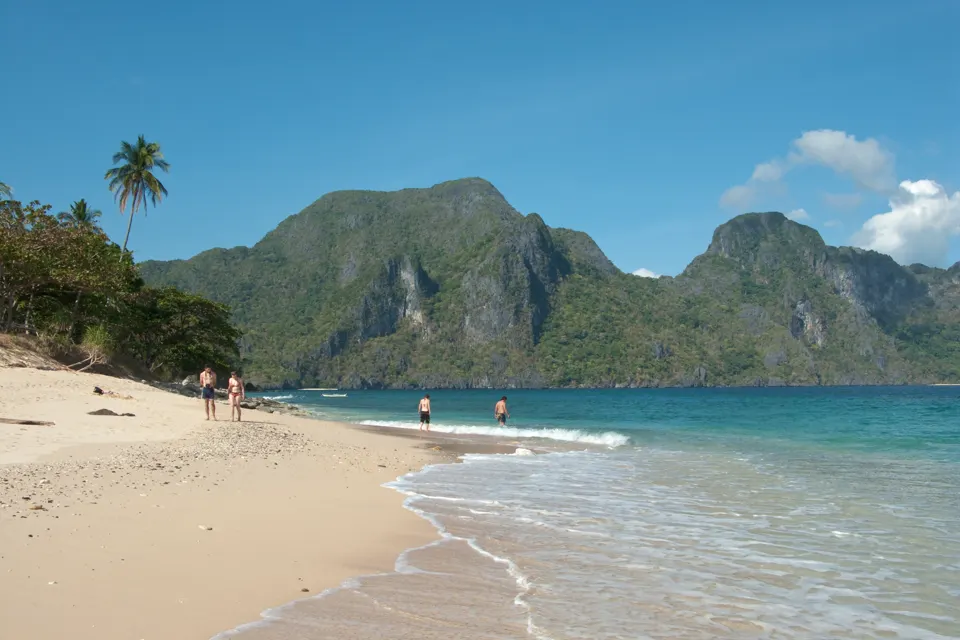
Photo: andre oortgijs, CC BY-SA 3.0 · credits
Start here: protect first, then restore
Restoration is not a substitute for protection, and planting coral is not the first step.
The field’s own evidence says most projects so far have been small and short-term. Boström-Einarsson et al. (2020) reviewed restoration efforts worldwide and found a median project size of about 100 m², typically focused on fast-growing branching corals, with roughly 60–70% survival where survival was reported, and weak, inconsistent monitoring (PLOS ONE). NOAA’s planning guide therefore starts with goals and site selection, not with a favorite technique (Shaver et al. 2020, NOAA CRCP TM 36).
The order of work
- Preserve what is still alive (MPAs, enforcement, herbivores, bleaching preparedness).
- Clean the water and the watershed, or outplants will fail.
- Restore populations with gardening, microfragmentation, and larval reseeding.
- Regenerate resilience with genetic diversity and climate-ready stock, only inside a clear ethics and permit frame.
- Create new structure only where the substrate itself is gone (rubble, bare sand, engineered frameworks), never as decoration.
The ten Reef Zones
Preservation & Protection
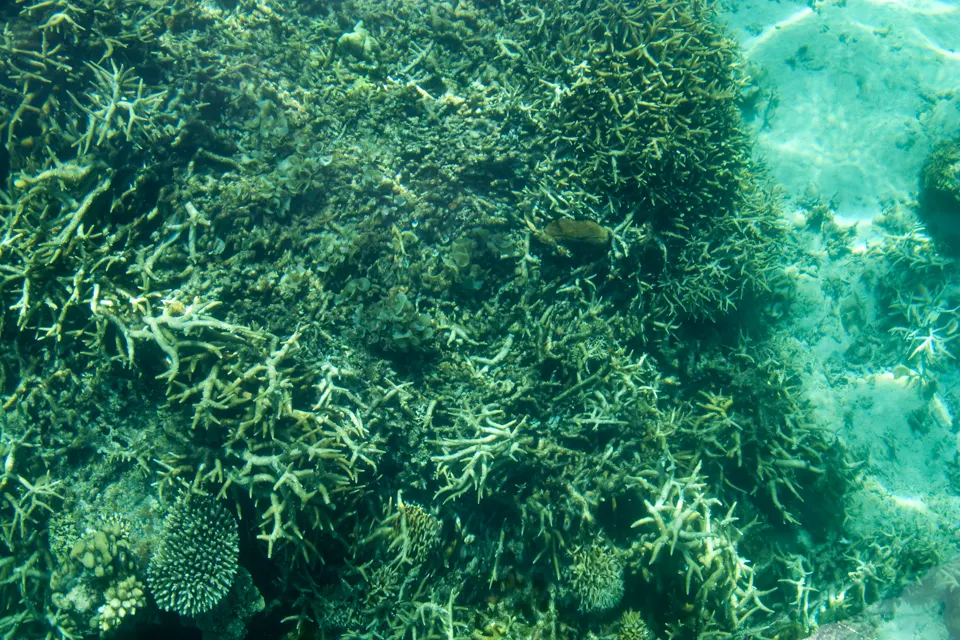
Keep living reefs alive first; no nursery program replaces a well-enforced no-take area and a plan for the next bleaching event.
Water Quality & Watersheds
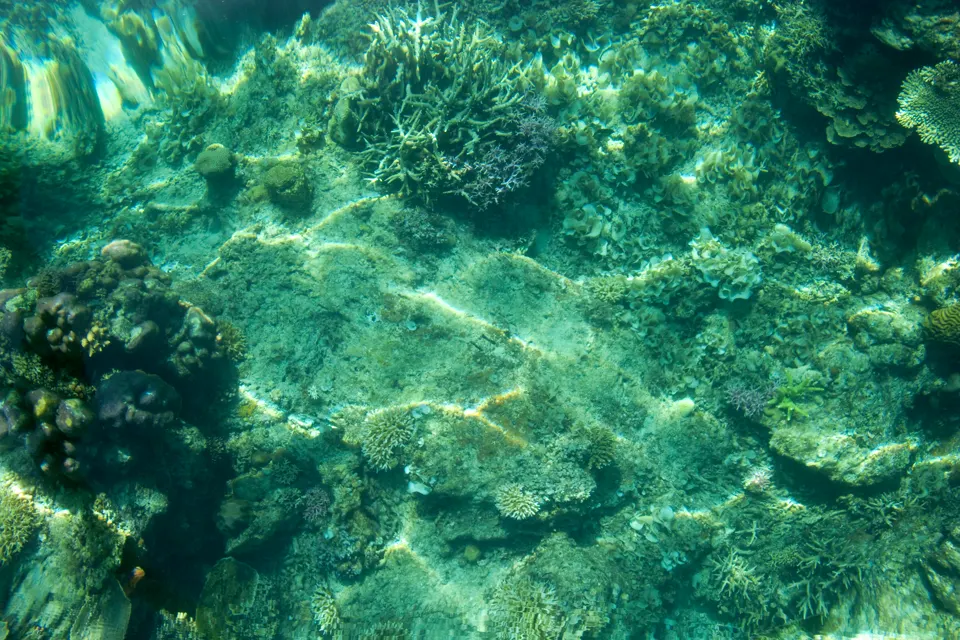
Sediment, nutrients, and sewage can undo a beautiful nursery; restoration siting starts on land.
Coral Gardening & Nurseries
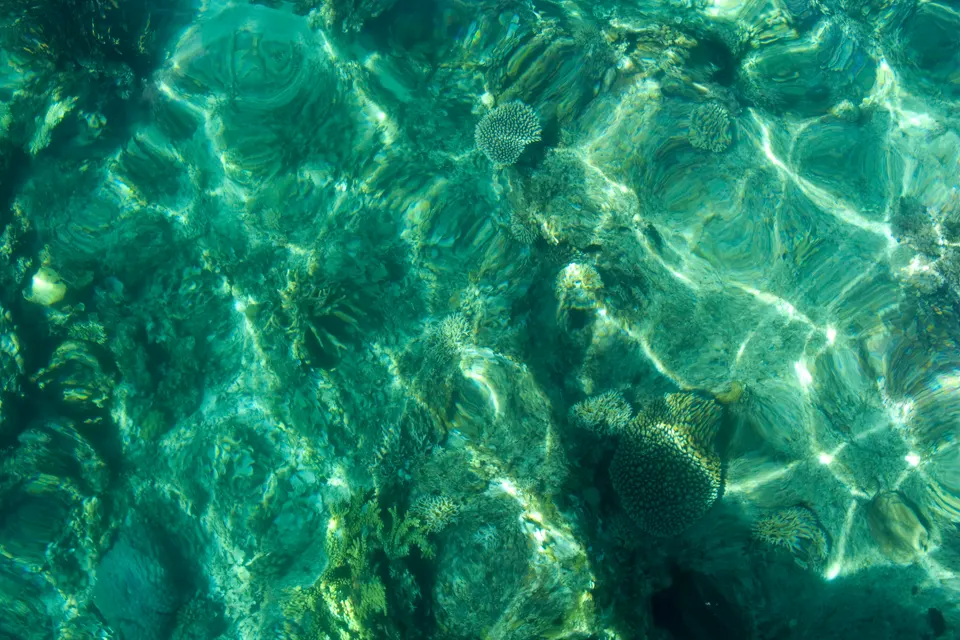
The workhorse method — fragment, grow in a nursery, and outplant — done with genetic care and a monitoring plan.
Microfragmentation & Land-Based Propagation
Cut massive corals small so they grow and fuse faster in land tanks, then “re-skin” dead reef.
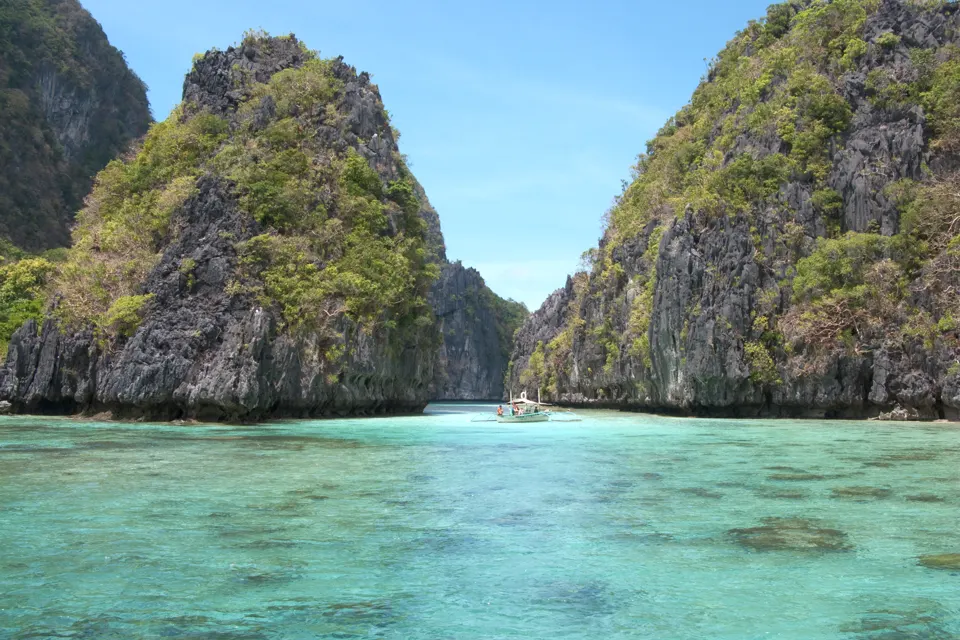
Larval Reseeding & Sexual Restoration
Use spawning and “coral IVF” so restored reefs keep genetic diversity, not just clones.
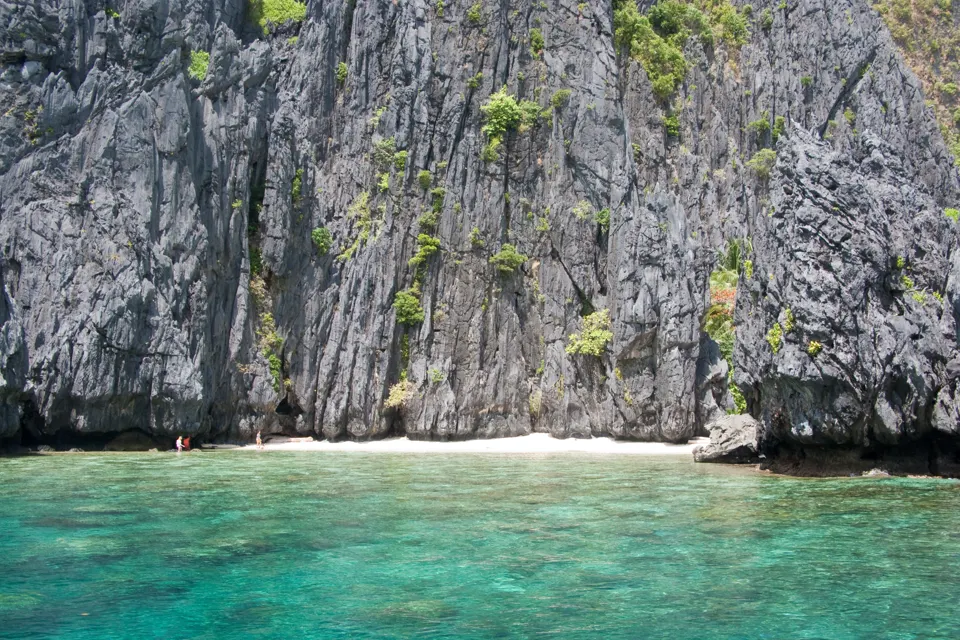
Assisted Evolution & Climate-Ready Corals
Help corals keep pace with heat — selective breeding, assisted gene flow, and symbiont work — only with clear ethics, permits, and risk assessment.
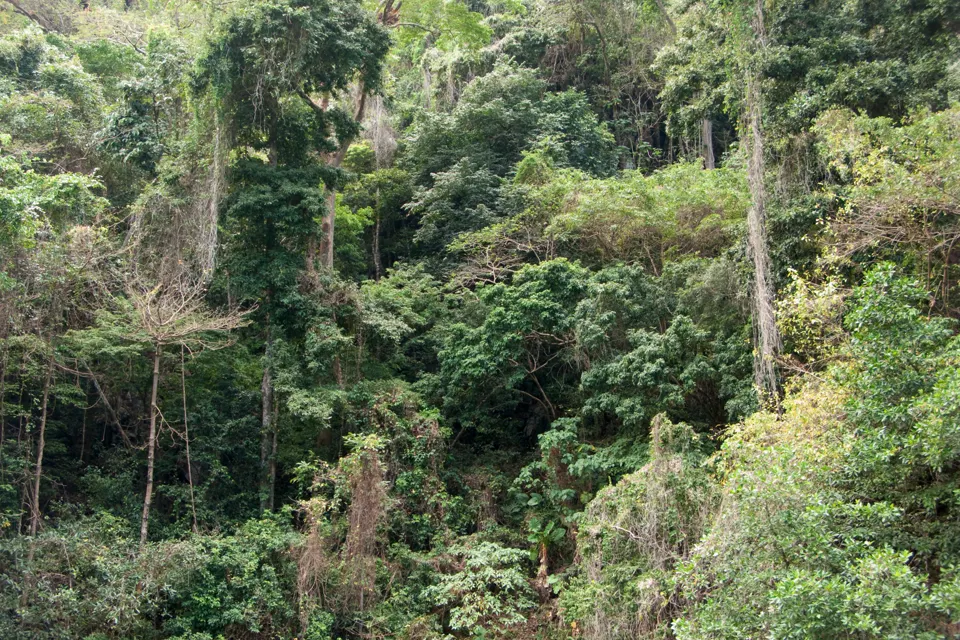
Creating New Reef Systems
When the structure itself is gone, rebuild habitat — rubble stabilization, reef stars, mineral accretion (Biorock), and other substrates — then let biology take over.
Science & Monitoring
If you cannot measure survival, growth, genetic mix, and ecological function, you do not know whether restoration worked.
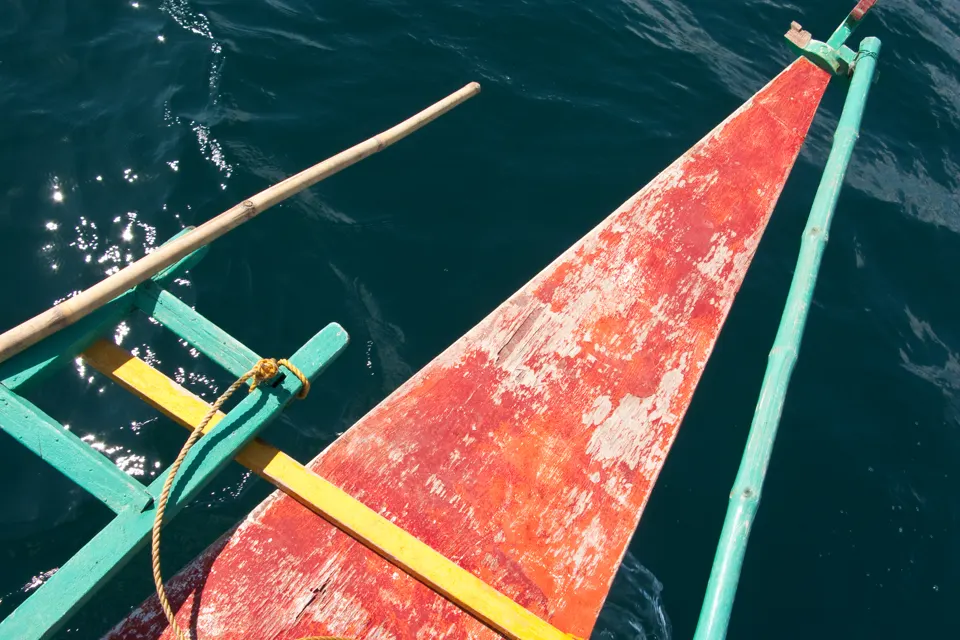
Community, Livelihoods & Tourism Done Right
Reefs survive when local people have a stake, and tourism is designed as stewardship rather than a new stressor.
Philippines & the Coral Triangle
Put global methods in a Philippine and Coral Triangle frame — species, law, partners, and what is already being done here.
How the Reef Zones connect
Climate action & bleaching plans  →  Water quality & watersheds
        ↑                                      ↓
Community, tourism & livelihoods     Herbivores, fisheries & MPAs
        ↑                                      ↓
Education & local partners           Stable substrate & new structure
        ↑                                      ↓
Monitoring & adaptive management  →  Larvae, genetics & nurseries → Outplanting
A change in one Reef Zone changes the others: poor water quality shrinks the value of a nursery; a well-enforced MPA raises the odds that outplants spawn and seed nearby reefs; tourism without moorings can grind both down.
Featured video
From the library
Active Coral Restoration: Techniques for a Changing Planet
The current practitioner handbook on nurseries, fragmentation, microfragmentation, larval rearing, genetics, and global case studies.
Zone 4: Microfragmentation & Land-Based Propagation · hardcover
The Biology of Coral Reefs
Integrated textbook of reef function, physiology, ecology, and conservation (2nd edition).
Zone 8: Science & Monitoring · paperback / hardcover
Philippine Coral Reefs: A Natural History Guide
A widely cited natural-history guide to Philippine reefs, useful background for Palawan and Coral Triangle content. IUCN library record used as the bibliographic source.
Zone 10: Philippines & the Coral Triangle · paperback
About Reef Tribe
Reef Tribe is a conservation-led reef project for the whole Philippines, focused on research, conservation and education, from northern Luzon and the Verde Island Passage to the Visayas, Palawan, the Sulu Sea and Mindanao. It is in planning: no permits, partners, sites or opening dates are announced. Read About Us →