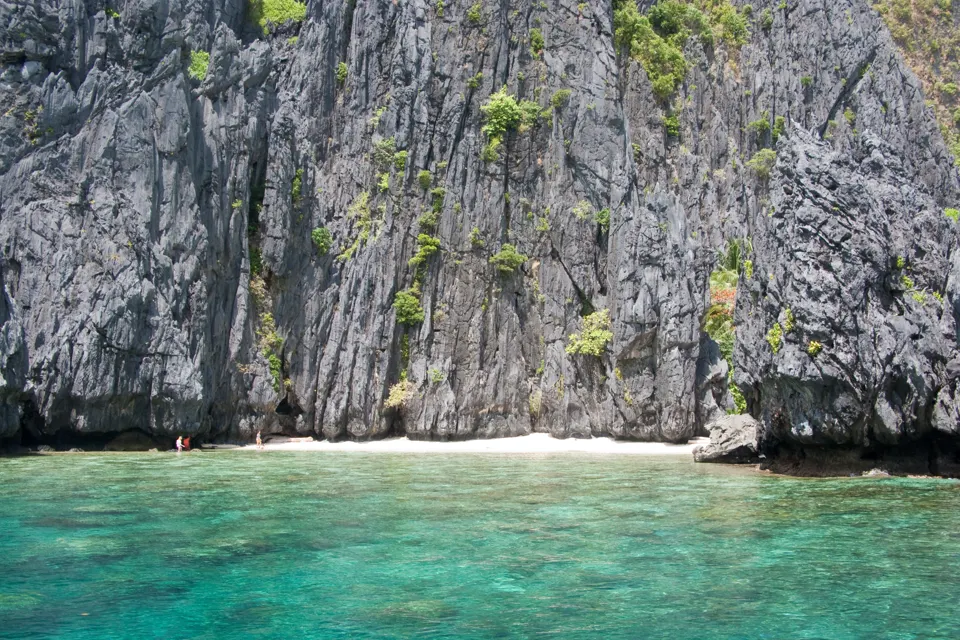
Ten systems, in teaching order
The ten Reef Zones
Preserve what is alive, clean the water, restore populations, build resilience, and create new structure only where the substrate is gone.
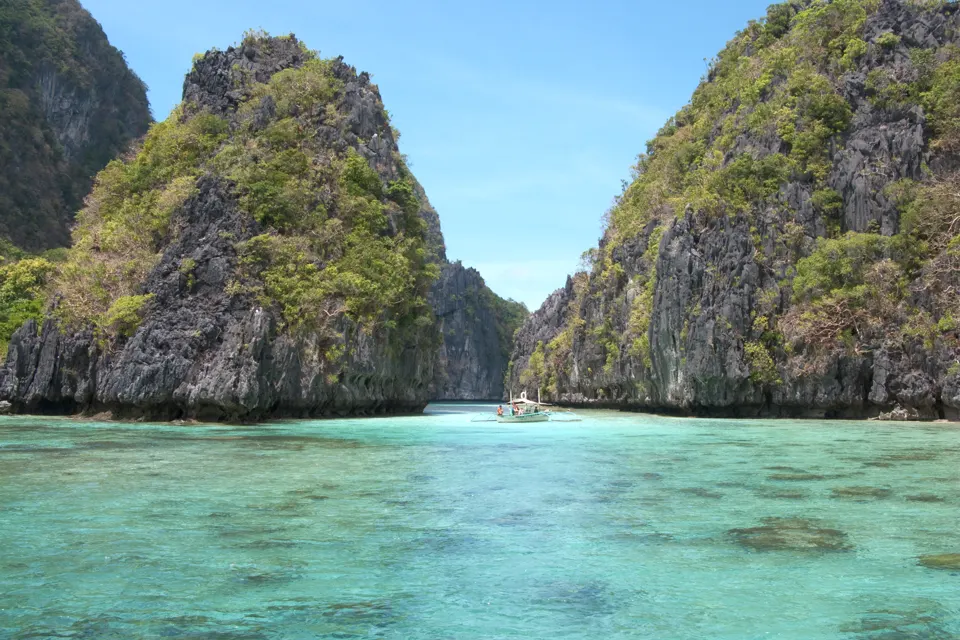
Photo: Vyacheslav Argenberg, CC BY 4.0
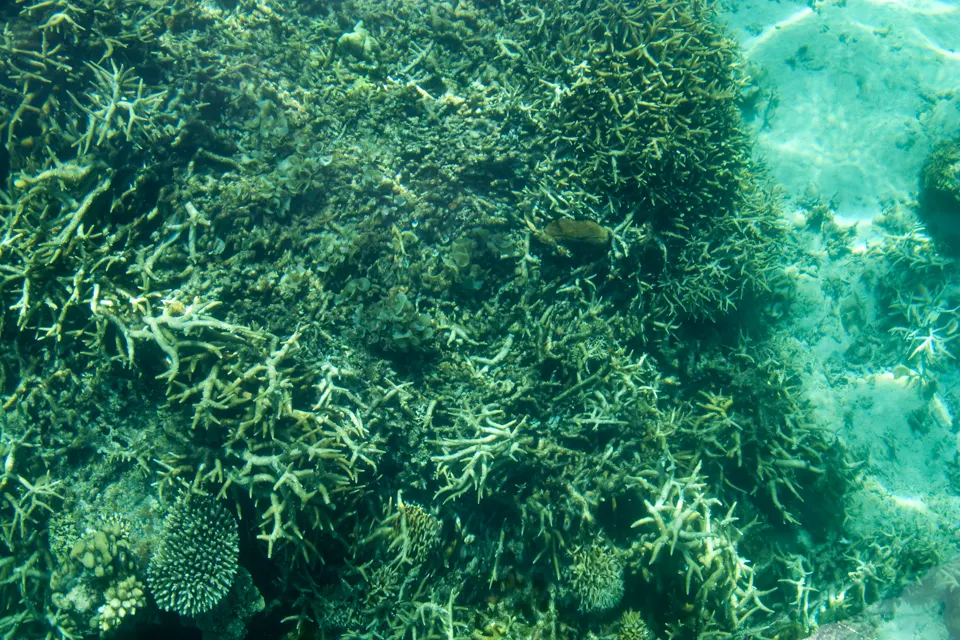
Preservation & Protection
Keep living reefs alive first; no nursery program replaces a well-enforced no-take area and a plan for the next bleaching event.
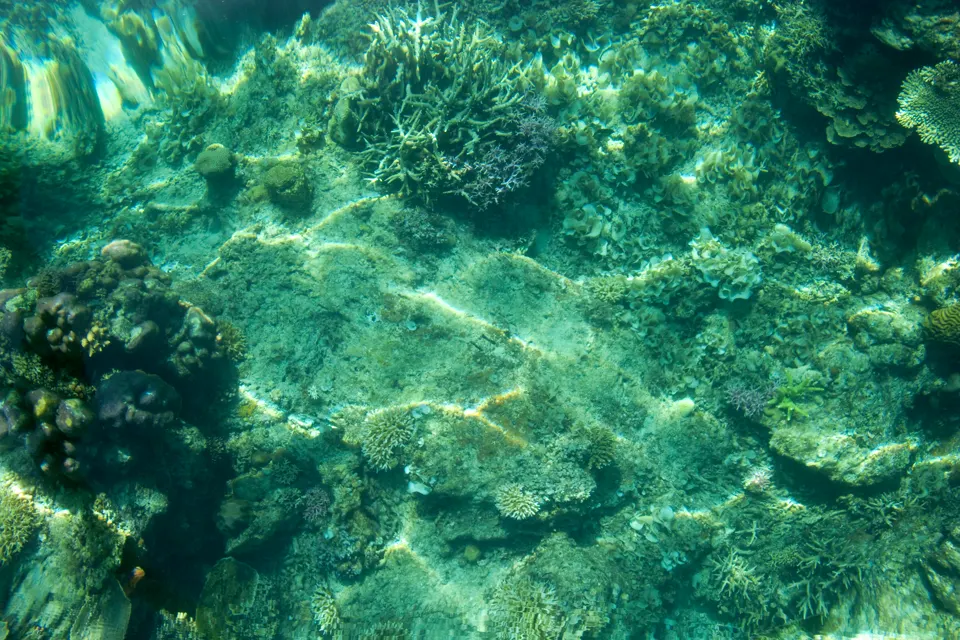
Water Quality & Watersheds
Sediment, nutrients, and sewage can undo a beautiful nursery; restoration siting starts on land.
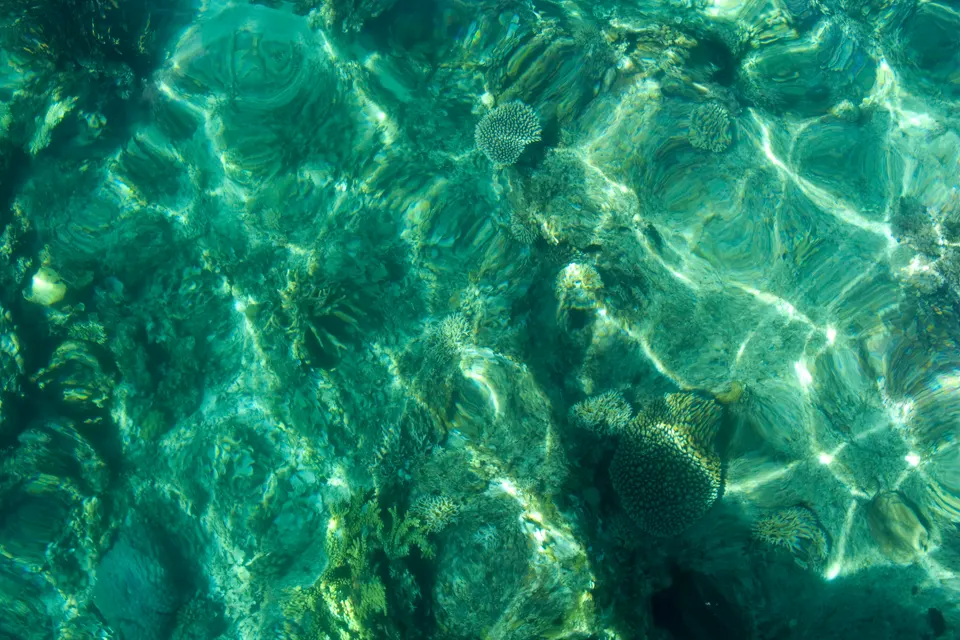
Coral Gardening & Nurseries
The workhorse method — fragment, grow in a nursery, and outplant — done with genetic care and a monitoring plan.
Microfragmentation & Land-Based Propagation
Cut massive corals small so they grow and fuse faster in land tanks, then “re-skin” dead reef.
Larval Reseeding & Sexual Restoration
Use spawning and “coral IVF” so restored reefs keep genetic diversity, not just clones.
Assisted Evolution & Climate-Ready Corals
Help corals keep pace with heat — selective breeding, assisted gene flow, and symbiont work — only with clear ethics, permits, and risk assessment.
Creating New Reef Systems
When the structure itself is gone, rebuild habitat — rubble stabilization, reef stars, mineral accretion (Biorock), and other substrates — then let biology take over.
Science & Monitoring
If you cannot measure survival, growth, genetic mix, and ecological function, you do not know whether restoration worked.
Community, Livelihoods & Tourism Done Right
Reefs survive when local people have a stake, and tourism is designed as stewardship rather than a new stressor.
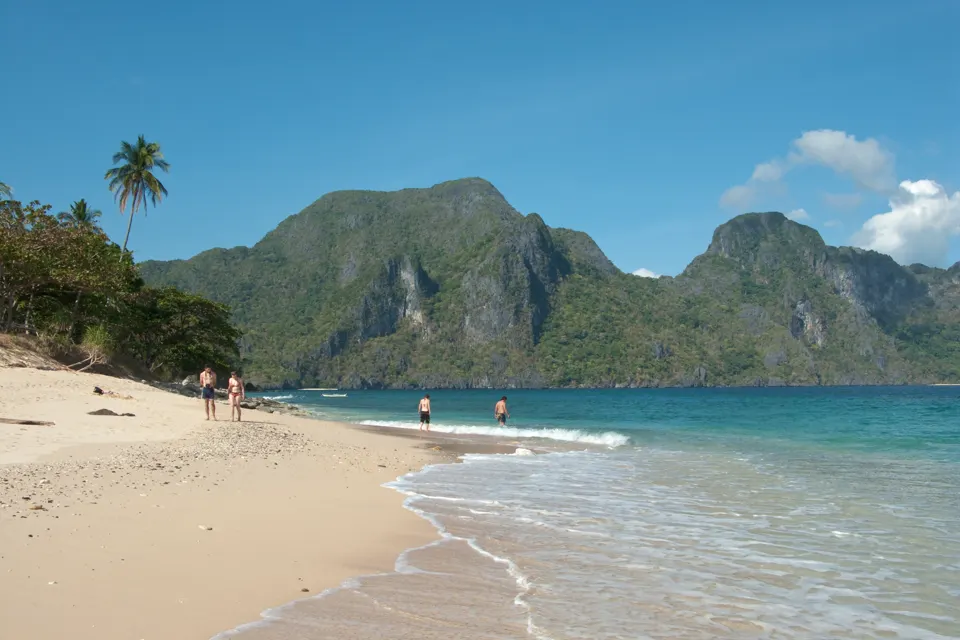
Philippines & the Coral Triangle
Put global methods in a Philippine and Coral Triangle frame — species, law, partners, and what is already being done here.